OSHAWA HOMEOWNER GUIDE
Why is my basement leaking in Oshawa?
Start with the first place water appeared and when it happened. A wet wall after rain, water rising through a floor drain and dampness around a pipe can point to different problems. Document the pattern from a safe location before anyone proposes a repair.
What to do if there’s standing water
Stay out if floodwater could be in contact with electrical equipment. If water has reached outlets, heaters or the furnace, or is near the electrical panel, follow the Electrical Safety Authority’s flood guidance and call your electric utility. Leave equipment that has been in contact with floodwater alone.
If water or sewage comes up through a basement floor drain or another low fixture, use Durham Region’s basement flooding reporting instructions. Tell them which fixture backed up and whether other drains were affected. If there is property damage, contact your insurer promptly and keep documentation and cleanup receipts.
Where is the water coming in?
- One wet line on a wall
- Look for a visible crack or an opening around a pipe, especially if the same spot wets after rain. Mark where the wetness begins, since water can run behind finishes and emerge elsewhere. See the foundation crack guide.
- Water along the wall–floor joint
- Record which wall is affected and whether the wet line spreads around the perimeter. The City of Oshawa’s flooding guidance identifies seepage through basement walls or floors as a possible foundation drainage issue.
- Wetness below a window
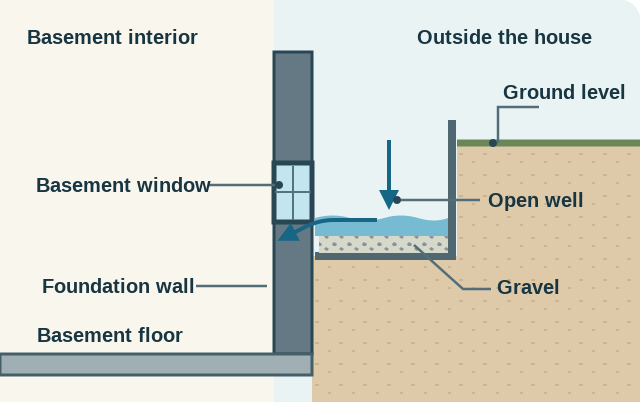
- If safe, look outside for standing water in the window well, debris or runoff flowing toward it. Record whether water was at the sill or appeared lower on the wall. That distinction can guide an inspection of the well, window and surrounding drainage.
- Water rising through a drain or plumbing fixture
- A drainage or sewer backup needs a different investigation from a leaking foundation wall. Report the event to Durham Region and ask whom to contact about the private portion of the sewer connection if that is suspected.
- Wetness during dry weather
- Note any nearby plumbing, appliance or condensate drain. A leak linked to using a fixture, or dampness below a pipe with no recent weather event, is useful to flag for a plumber.
- Droplets on pipes or widespread dampness
- Condensation can appear on cold surfaces during humid weather. Record whether there are droplets spread over several surfaces or a repeatable entry point with a water trail. Several moisture sources can occur together.
What to check outside after rain or snowmelt
- From ground level, look for gutters spilling over and downspout extensions that have shifted, disconnected or discharge beside the house.
- Note puddles beside the foundation, runoff coming across a walkway, or a depression that collects water instead of letting it run away.
- Check visible window wells for debris and signs that rainwater rises toward the sill. Compare the outside spot with the first wet area indoors.
- If you have a sump pump, record any alarm, outage or change in when it runs. Ask where its discharge goes and whether water can run back toward the house.
Before changing slopes or re-routing runoff, check Oshawa’s landscaping and grading guidance. Durham Region also has a homeowner prevention checklist.
Bring a short leak log to the assessment
Write down the date, recent rain or thaw, the first wet spot, approximate spread, whether a drain backed up and any pump or power problems. If safe, take a wide photo that shows where the spot is and a close-up that shows the entry point. Mention old repairs and whether the basement was finished before the leak began.
Example entry: “After heavy rain, water first appeared along the back wall where it meets the floor. The window well looked dry. No water came up through the floor drain.” An observation like this gives the contractor a place to start without assuming the cause.